
We're building aerial robots that can pick things up, carry them and put them down where they're needed. It already flies. Next, it goes to work.
Founded by engineers and PhD researchers from MIT, Stanford and UC Berkeley.

Sixteen motors, a flight controller we wrote ourselves, and a frame built to lift more than a camera.
Everything else we're planning, the arms, the modules and the jobs below, grows out of this machine.
These are concept renders, not finished products. They show the work we're designing Arvan to do.

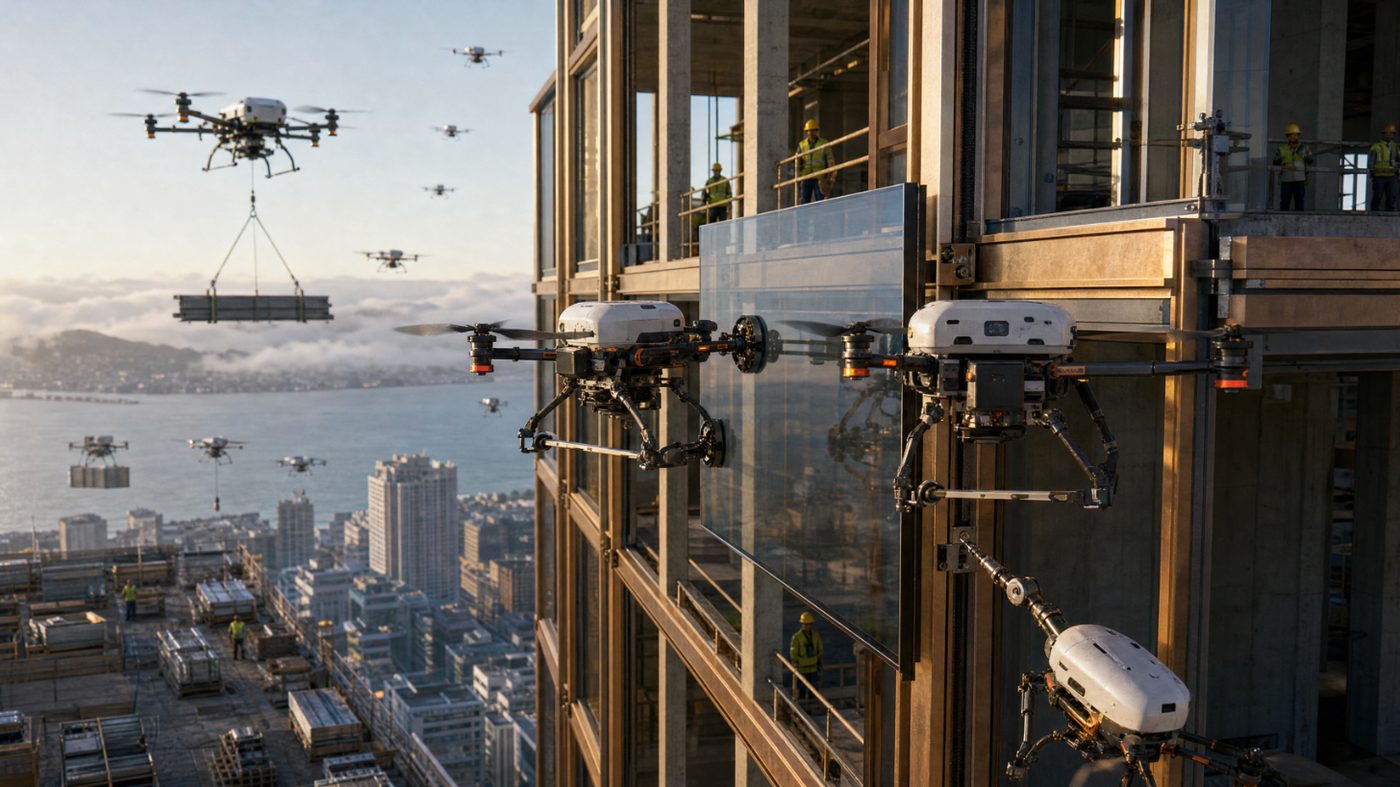
Placing facade panels and steel at height, flown up from a staging deck instead of lifted by a crane.
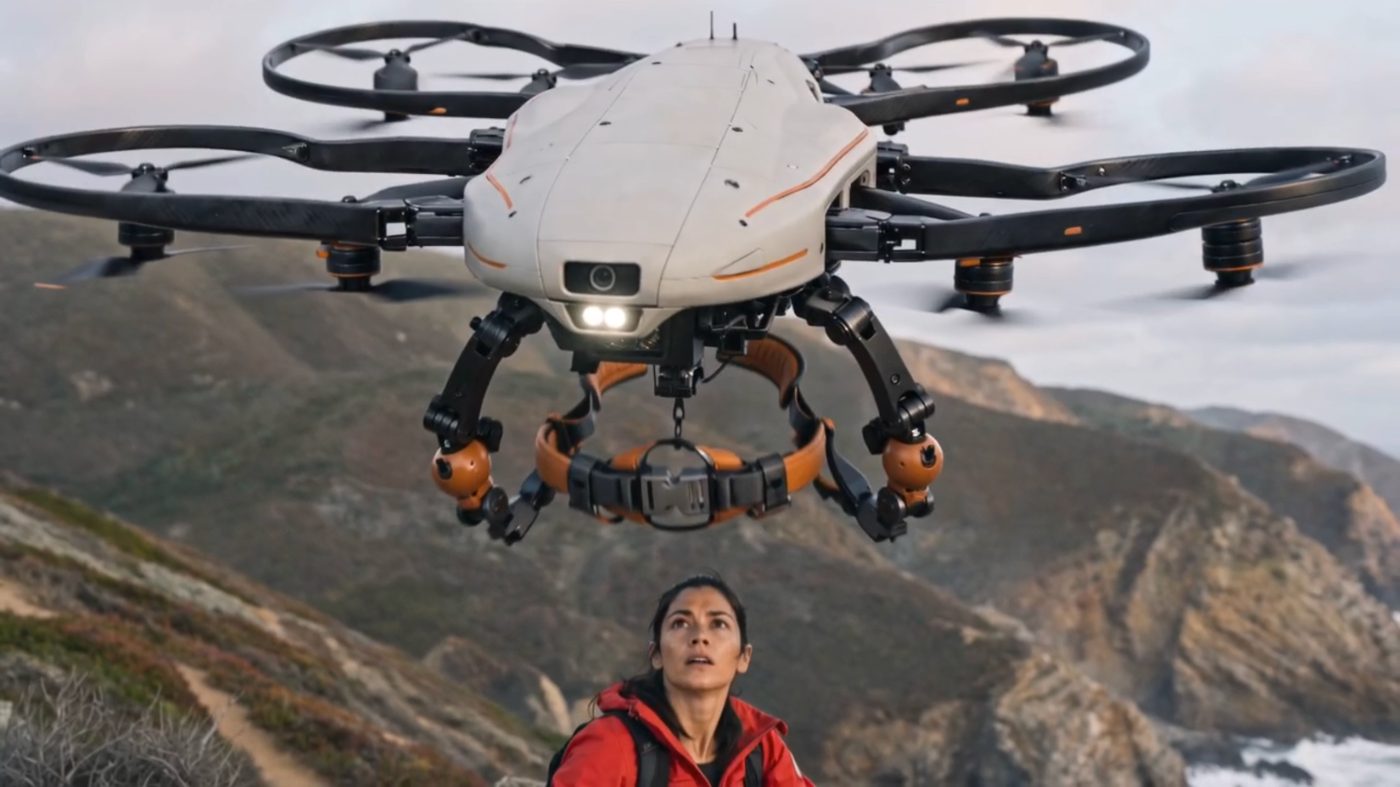
Getting a harness to someone on a cliff or a rooftop in the minutes before a helicopter can arrive.
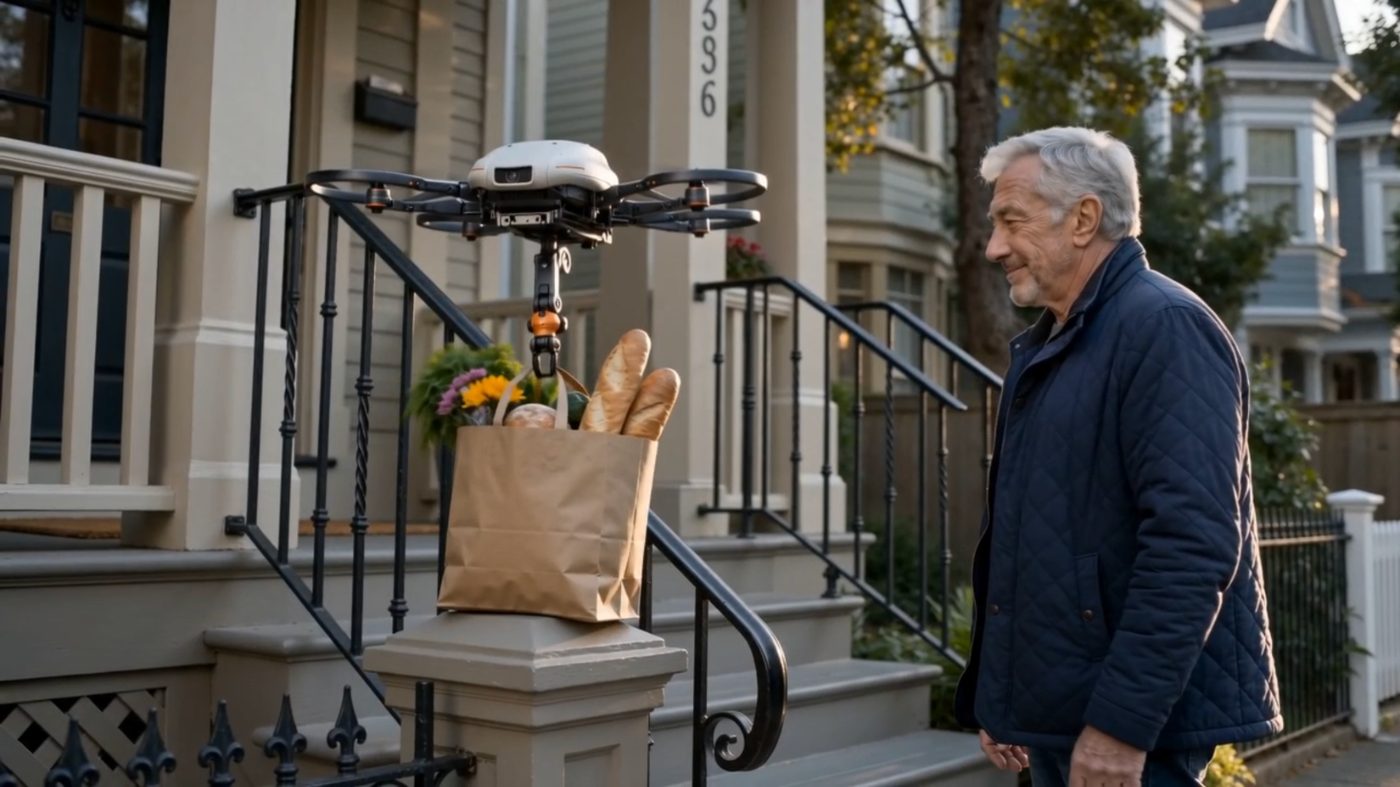
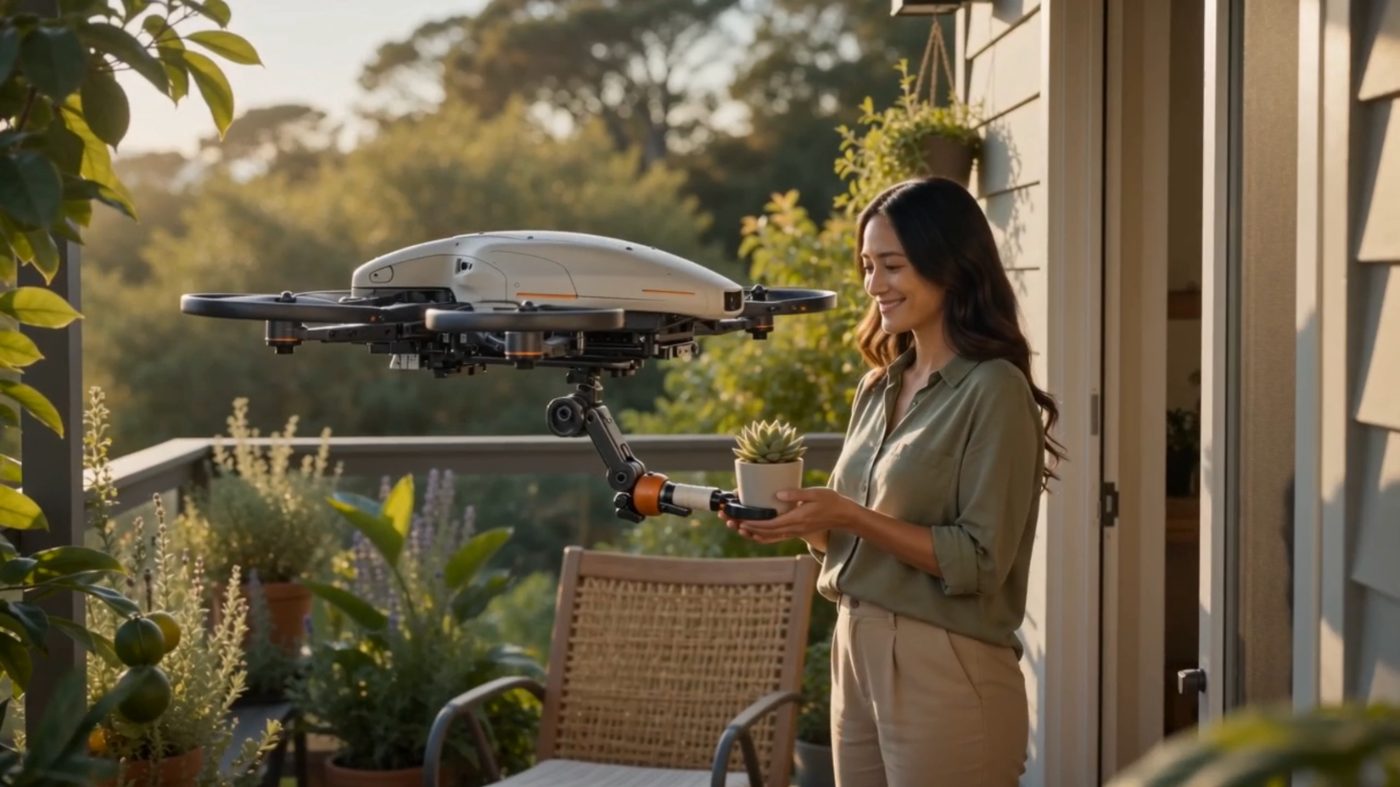
A quieter, lighter configuration for everyday help.

A practice partner that returns the ball wherever you need it, for as long as you want to play.
Arvan is a family of aircraft built on one core. A new job should mean a new module, not a new machine.
| Airframe | 16 motors, built for lift and redundancy |
|---|---|
| Flight control | Designed and written in-house |
| Manipulation | Swappable arms, grippers and harnesses |
| Configurations | Home, Industrial, Rescue, Trainer |
| Manufacturing | United States |
Arvan's founders come from PhD research in aerial robotics, advanced manufacturing and mechanical engineering, and they build every part of the machine in the United States.
We're talking with investors, early customers and engineers who want to build this. Tell us what you'd use a flying robot with hands for.